Start with the decision
Ask what the system decides, recommends or generates, and whether a person can challenge the outcome. Risk follows the use, not the marketing label.
Canadian AI policy is not one law or one regulator. It is a moving system of privacy duties, public-sector rules, investment programs, standards and sector-specific decisions. This hub helps readers follow the durable questions instead of chasing every announcement.
Ask what the system decides, recommends or generates, and whether a person can challenge the outcome. Risk follows the use, not the marketing label.
Privacy regulators, procurement teams, sector regulators and elected governments can all shape the same deployment. A single compliance checklist is rarely enough.
The meaningful signals are published assessments, contract terms, incident reports and enforcement—not broad statements of principle.
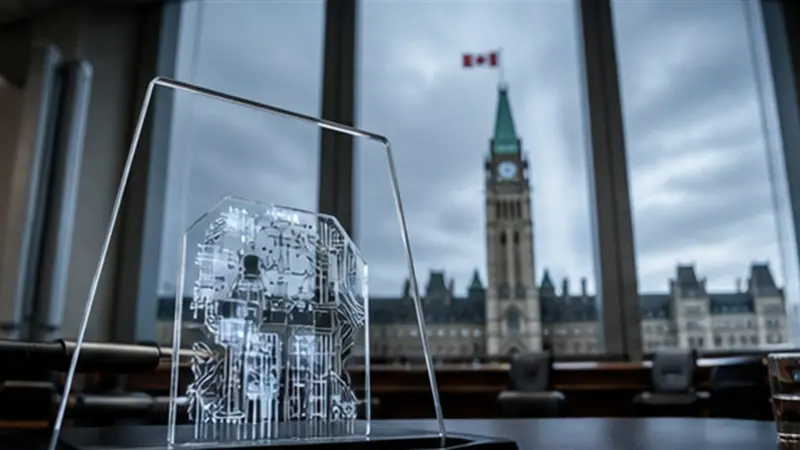
Canada’s AI transparency consultation asks what people should be told about AI interactions, generated content and system activity; it does not establish final rules. A useful response names a specific failure and the information that would prevent it. The published submission deadline is September 23, 2026.

Canadian AI sovereignty involves more than locating a data centre in Canada. Check five things for your workload: location, operational control, access, continuity and exit. The national strategy describes commitments; a supplier still needs to show which controls and capacity you can actually use.

A federal AI pilot needs a decision brief that names its task, data, accountable owner and stopping conditions. The 2025–2027 strategy supplies direction, not permission for a particular deployment. Start with a narrow use and evidence that would justify continuing it.

An AI privacy assessment should follow personal information through the whole system: prompts, retrieved documents, model responses, logs and vendor copies. Record why each copy exists, who can access it and when it is removed. A privacy setting on the chat screen does not answer all those questions.
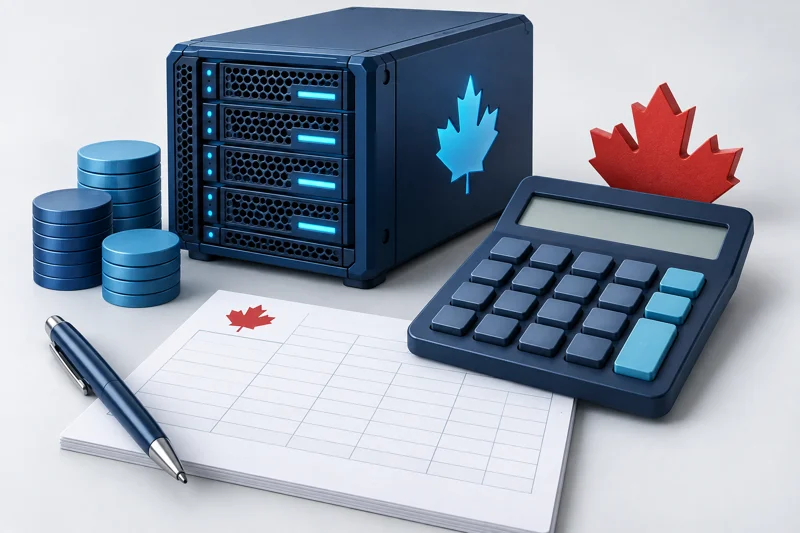
The AI Compute Access Fund is closed to new applications. Our fictional $156,000 quote produces a $60,000 before-tax residual only if a $96,000 contribution is awarded and accepted. The full bill may be due before reimbursement, and repayable funding can change lifetime cost.

An AI demo shows a selected example; a pilot explores a bounded workflow; an acceptance test checks requirements agreed before purchase or release. None automatically substitutes for the others. For a Canadian AI purchase, request the test inputs, outputs, configuration and unresolved failures rather than relying on a supplier listing.