CANADA / POLICYUnderstanding Canada’s AI transparency consultationIndependent Canadian publication
PUBLICATION BYLINE

AI New Desk

AI New Desk is the publication byline for the owner-operated AI New Canada website. It is an organization byline, not a group of named reporters. Individual editor identities and professional credentials are not currently published, and the byline does not establish independent expert review.

What the desk covers

Canadian AI policy, practical workflows, model evaluation, research methods and safer AI use. Coverage is written for readers who want to understand what changed, what evidence supports it and what to do next.

How the work is made

AI tools may assist with research organization, outlining and drafting. Every public article completes an individual editorial and originality review, uses multiple named sources, records source notes and displays the original links beside the article. Template-built drafts and pages that have not completed that review remain unpublished.

AI assistance includes drafting and source comparison. The review label describes the publication’s article-level process; it is not a certification of independent expert review. Fictional exercises are labelled, and a worked answer is not represented as a measured test of a commercial AI product.

Accountability

Material factual corrections are noted publicly. The site displays no advertisements and loads no advertising scripts. Advertisers do not approve editorial coverage. Read the editorial policy, corrections policy or contact the newsroom.

RECENT WORK

Published by AI New Desk.

View all stories →
AI-generated editorial illustration of server equipment, a calculator and a cost worksheet with a maple leaf motif.

Canada’s AI compute fund is closed. Build the cost plan anyway.

The AI Compute Access Fund is closed to new applications. Our fictional $156,000 quote produces a $60,000 before-tax residual only if a $96,000 contribution is awarded and accepted. The full bill may be due before reimbursement, and repayable funding can change lifetime cost.

AI New Desk6 min readCanadian AI buying guide
AI-generated editorial illustration of evidence folders, a magnifying glass and a processor diagram on a procurement desk.

AI demo vs pilot vs acceptance test: what a buyer learns

An AI demo shows a selected example; a pilot explores a bounded workflow; an acceptance test checks requirements agreed before purchase or release. None automatically substitutes for the others. For a Canadian AI purchase, request the test inputs, outputs, configuration and unresolved failures rather than relying on a supplier listing.

AI New Desk6 min readCanadian AI buying guide
Two public-sector reviewers examine an automated-decision flowchart and evidence checklist in an Ottawa meeting room.

Read a federal AI risk assessment: the missing-evidence test

Canada’s Algorithmic Impact Assessment is a starting point for scrutiny, not proof that a system is safe. Read the scope decision, supporting answers and peer review together; then identify the evidence behind the score and the consequences for affected people.

AI New Desk4 min readPUBLIC-SYSTEM AUDIT
Illustration of a group discussing six colour-coded policy columns beside a window.

Canadian AI sovereignty: follow the workload, not the map

Canadian AI sovereignty involves more than locating a data centre in Canada. Check five things for your workload: location, operational control, access, continuity and exit. The national strategy describes commitments; a supplier still needs to show which controls and capacity you can actually use.

AI New Desk4 min readPOLICY LENS
Illustration of a team examining a digital map of Canada in an office overlooking Parliament.

The first page of a federal AI pilot should be a decision brief

A federal AI pilot needs a decision brief that names its task, data, accountable owner and stopping conditions. The 2025–2027 strategy supplies direction, not permission for a particular deployment. Start with a narrow use and evidence that would justify continuing it.

AI New Desk3 min readPOLICY LENS
Illustration of illuminated data paths passing through shield-shaped privacy checkpoints on a tabletop.

Where did the prompt go? Trace an AI system’s personal data

An AI privacy assessment should follow personal information through the whole system: prompts, retrieved documents, model responses, logs and vendor copies. Record why each copy exists, who can access it and when it is removed. A privacy setting on the chat screen does not answer all those questions.

AI New Desk3 min readFIELD GUIDE
Illustration of a transparent AI head sculpture beside a window overlooking Parliament.

What should an AI disclosure tell you? Canada’s five questions

Canada’s AI transparency consultation asks what people should be told about AI interactions, generated content and system activity; it does not establish final rules. A useful response names a specific failure and the information that would prevent it. The published submission deadline is September 23, 2026.

AI New Desk3 min readCanada watch
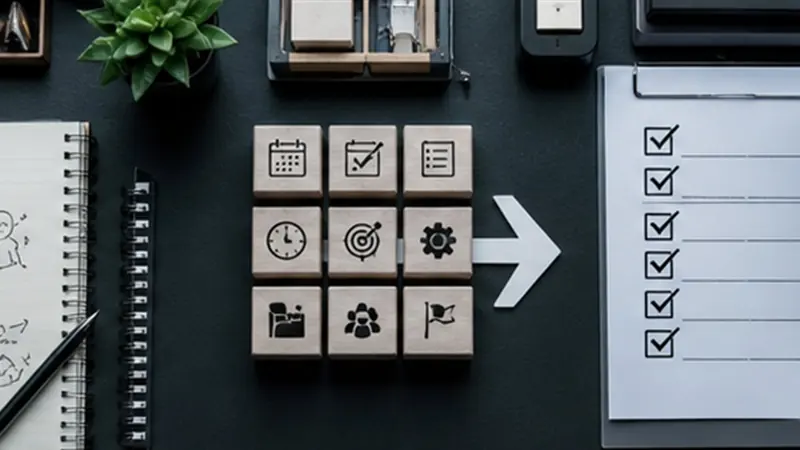
Illustration of task icons arranged beside a checklist on a desk.

Turn messy meeting notes into tasks without inventing an owner

To turn meeting notes into an action list with AI, request the task, owner, deadline and supporting words from the notes. Require missing details to stay unresolved. This fictional workshop exercise includes a complete answer key so you can spot invented commitments before using the result.

AI New Desk3 min readBeginner how-to
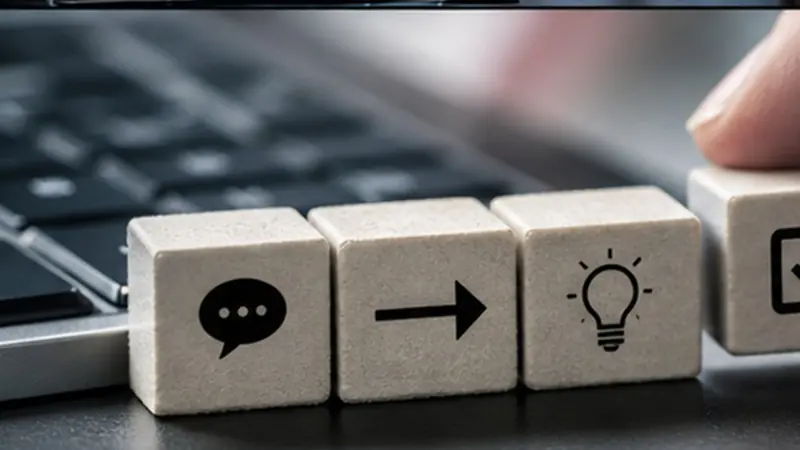
Illustration of wooden blocks with a speech bubble, arrow and light bulb beside a keyboard.

Four repairs for an AI prompt that keeps missing the brief

To fix an AI prompt, identify the specific failure before adding more instructions: missing facts, invented details, the wrong format or an unclear audience. Give the model a bounded source card, repair one instruction and test another example. Better wording cannot supply facts the source never contained.

AI New Desk4 min readBeginner how-to
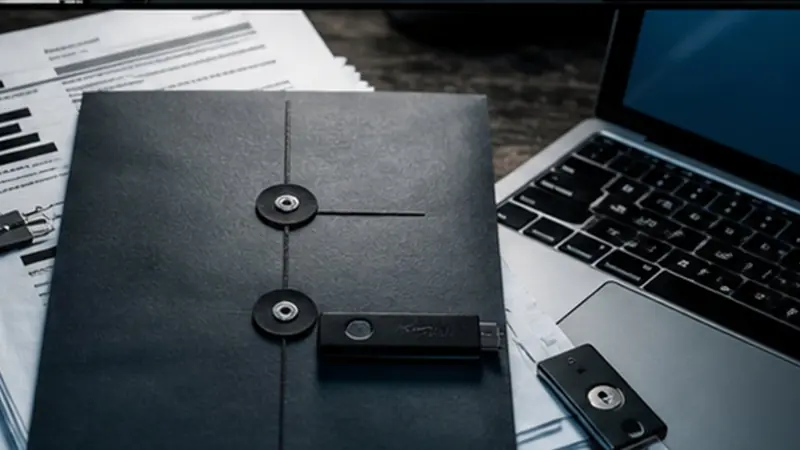
Illustration of a closed document folder beside a laptop and paperwork.

Share less with AI: reduce a private email to the useful facts

Before uploading a file to AI, remove information the task does not need and check hidden contents as well as visible text. Share a minimal extract where possible. Connecting an email account or folder grants a different scope of access and needs a separate permissions check.

AI New Desk4 min readBeginner how-to
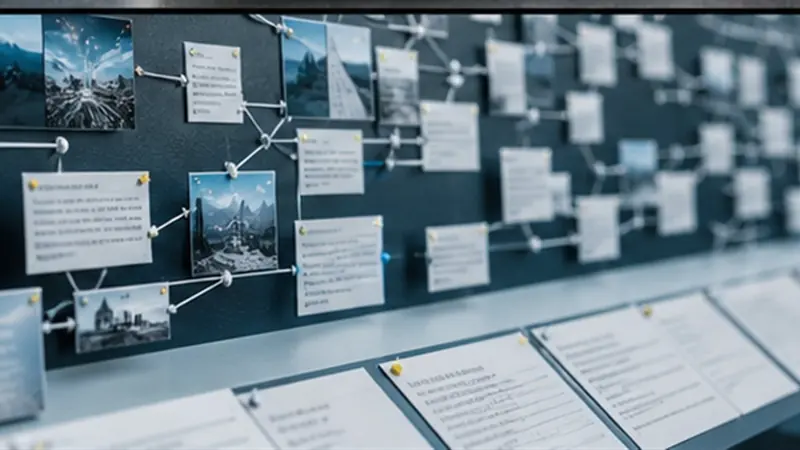
Illustration of source documents connected on a research board above an open notebook.

Can you trace that AI claim? Build a three-source ledger

To verify AI-assisted research, make a claim ledger with the source, supporting passage, date and limitation for each important statement. Use the model to organize the material, then inspect the originals yourself. This guide applies that method to three government sources about Canada’s AI consultation.

AI New Desk4 min readIntermediate how-to
Illustration of a comparison checklist between two computer displays.

Compare AI answers: score evidence, not confidence

To compare AI answers, use the same task and sources, then score evidence, completeness, uncertainty, usefulness and permissions. A fluent answer must still fail if it invents authority to act. The 20-point worksheet below includes two fictional answers, source records and an answer key.

AI New Desk4 min readIntermediate how-to