Begin with bounded tasks
Use AI first for drafts, comparisons, extraction and brainstorming where a human can quickly inspect the output.
Useful AI work is a repeatable process: define the task, provide the right context, inspect evidence and keep a person responsible for the result. This collection moves from first prompts to production-minded workflows without pretending that magic wording replaces judgement.
Use AI first for drafts, comparisons, extraction and brainstorming where a human can quickly inspect the output.
Ask for assumptions and sources, then check the important claims yourself. Fluent language is not evidence.
Save the prompt, test representative examples, measure corrections and define the point where a person takes over.

To turn meeting notes into an action list with AI, request the task, owner, deadline and supporting words from the notes. Require missing details to stay unresolved. This fictional workshop exercise includes a complete answer key so you can spot invented commitments before using the result.

To fix an AI prompt, identify the specific failure before adding more instructions: missing facts, invented details, the wrong format or an unclear audience. Give the model a bounded source card, repair one instruction and test another example. Better wording cannot supply facts the source never contained.
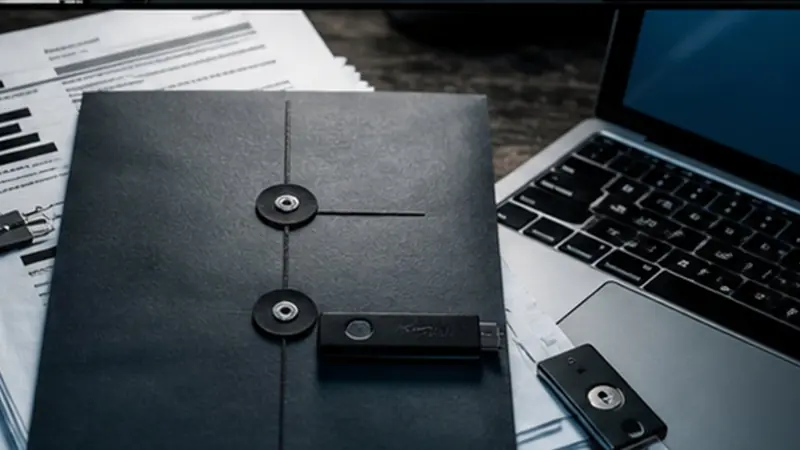
Before uploading a file to AI, remove information the task does not need and check hidden contents as well as visible text. Share a minimal extract where possible. Connecting an email account or folder grants a different scope of access and needs a separate permissions check.
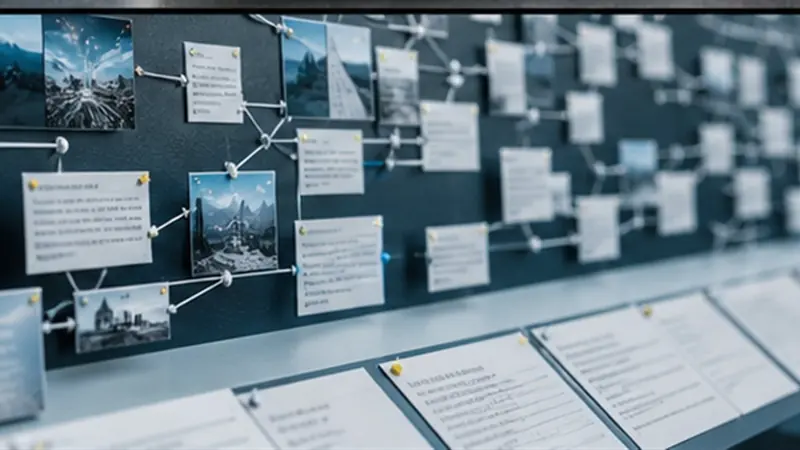
To verify AI-assisted research, make a claim ledger with the source, supporting passage, date and limitation for each important statement. Use the model to organize the material, then inspect the originals yourself. This guide applies that method to three government sources about Canada’s AI consultation.
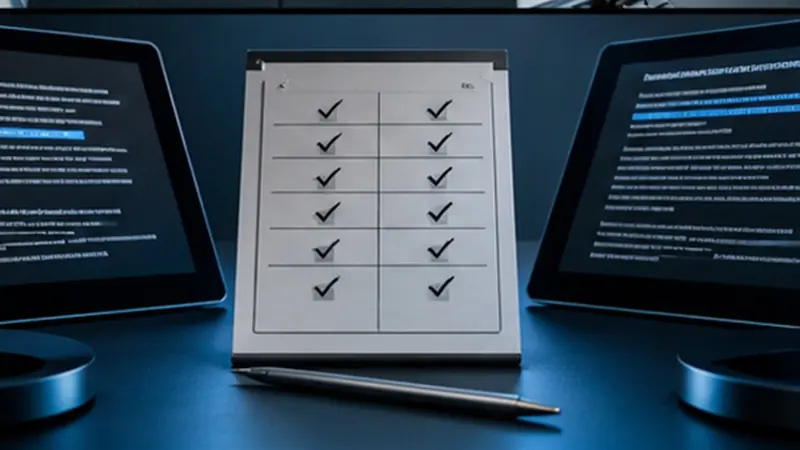
To compare AI answers, use the same task and sources, then score evidence, completeness, uncertainty, usefulness and permissions. A fluent answer must still fail if it invents authority to act. The 20-point worksheet below includes two fictional answers, source records and an answer key.
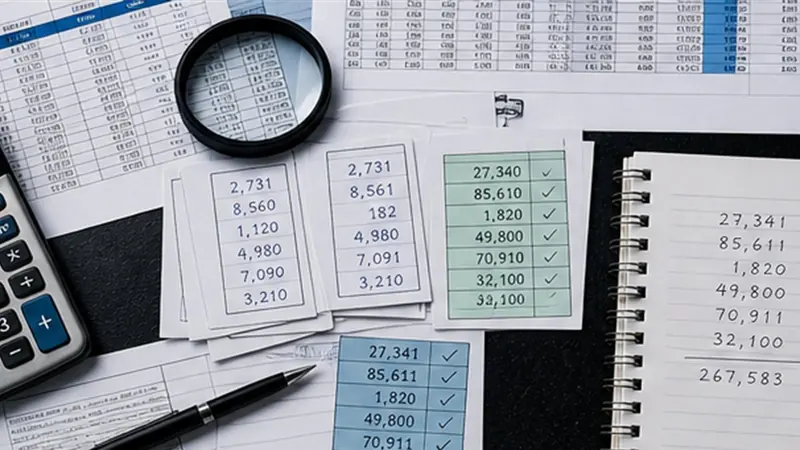
To check an AI-assisted spreadsheet, verify which rows were included before trusting the total. The worked invoice example totals $170, but duplicates, text amounts and changed labels can make a plausible result misleading. Eight published code cases show which errors the sample checks catch.

An AI agent approval should authorize one exact action: the recipient, payload, scope and conditions must match what the person reviewed. Stop and ask again when those details change. A timeout needs an outcome check before retrying an action that could run twice.
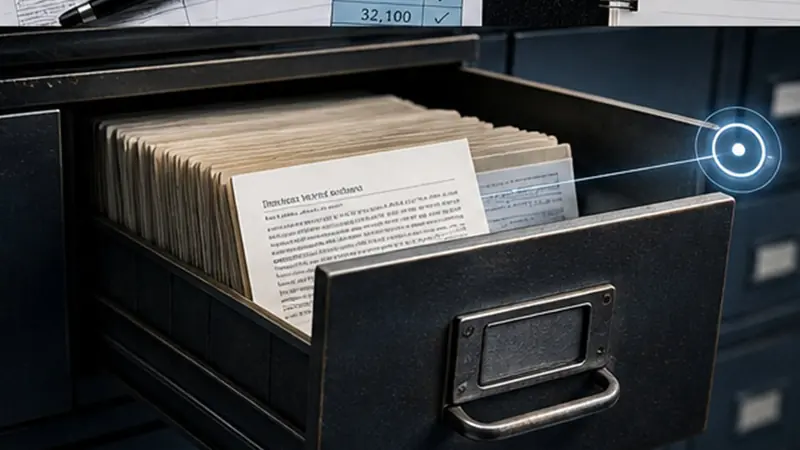
Our synthetic selector passed its original eight document cases, then failed four of five additional probes involving bad or contradictory source records. Inspect both sets of inputs and outputs to see what version, audience and citation checks do—and what they leave untested.

An AI release can pass 99 of 100 checks and still be unsafe to launch if the remaining failure breaks a critical boundary. Define blocking failures before testing, report results by failure type and plan a rollback. The 99-of-100 example here is hypothetical, not a measured product result.